Life Coaching for Smart Women at a Crossroads
About Suzy and her
Mission for you to

Business & Mindset Coach for
Creative Female Entrepreneurs
Helping you grow an incredible business by
growing the amazing women running it.
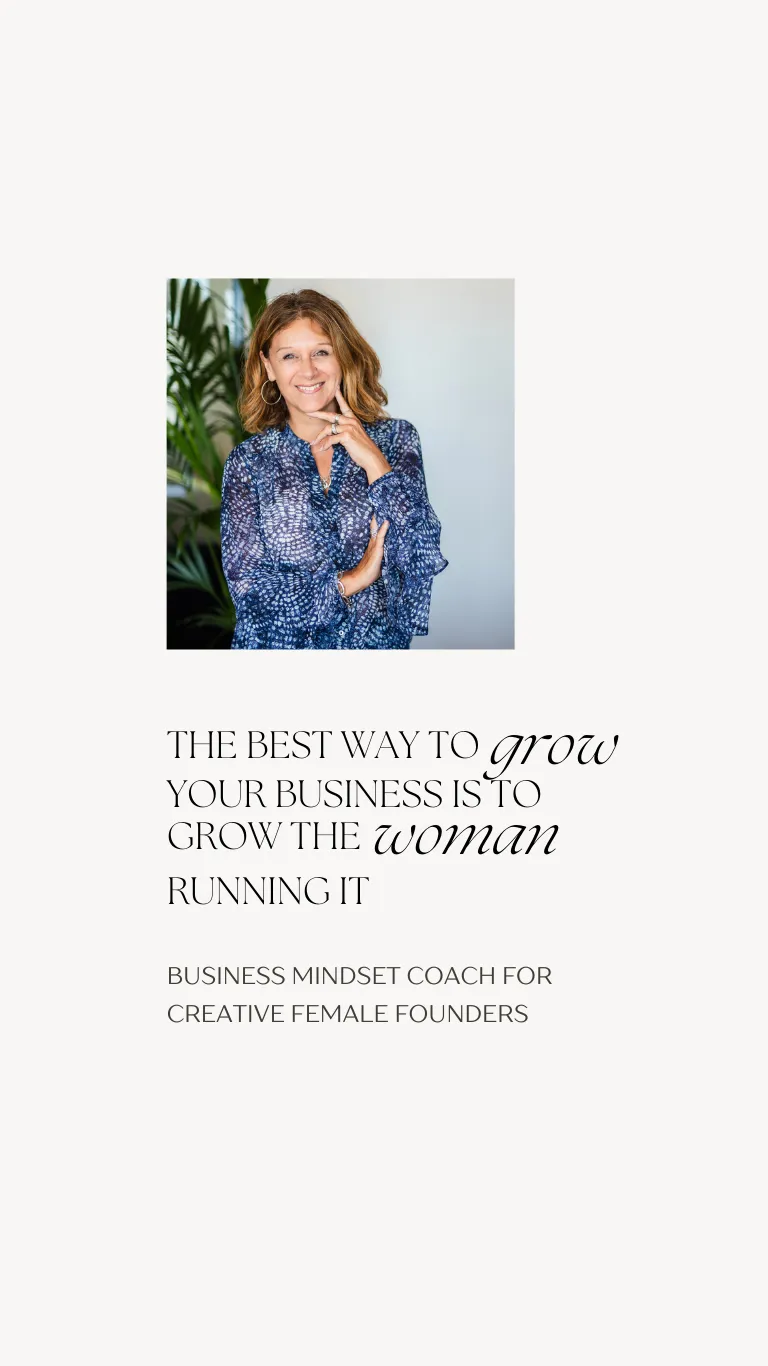
Welcome to Become HER Coaching
WHERE I SPECIALISE IN EMPOWERING CREATIVE
FEMALE BUSINESS OWNERS AND LEADERS
To embrace their individuality as a source of confidence and achieve the heights they dream of, without compromising or sacrificing their health, relationships and private lives.
ARE YOU READY TO BECOME HER? LET'S GET STARTED
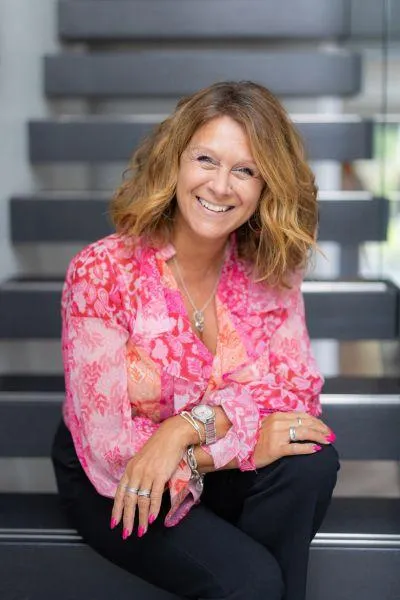

I'm a passionate advocate for women's
empowerment, growth, self care and individuality.
With a blend of personal experiences, coaching strategies and methodologies, and powerful tools, I help women turn their visions into reality.
I find immense joy in sharing the invaluable lessons I've learned throughout my journey leading a successful exhibition design agency for more than 25 years.
My coaching style is a fusion of creativity, strategy, and unwavering support, using a combination of CBT, NLP and EFT modalities and I use a unique psychometric assessment for resilience & wellbeing at work (Wraw).
I believe that within each of us lies the strength to tackle life's challenges and that we don't need to "have it all"; we just deserve to have what we truly desire.
Are you ready to Become HER, an entrepreneur who embodies authenticity, innovation and impact?
BECOME HER
BECOME HER
When you work through my signature programme you embark on a life changing journey of transformation as we get laser focus on your Vision, Mindset, Strategy, Power, and Balance. Together, we tackle common challenges such as confidence, clarity, imposter syndrome, procrastination, decision-making, work/life balance, money mindset and the pursuit of growth and visibility. You will discover the three key invisible barriers to your success and how to break through them.
Become HER is a journey where you collect and collate all your wisdom, experience and knowledge, embrace your unique individuality and let it be the source of your confidence so you are unstoppable in your beliefs and what you can achieve.
When you work through my signature programme you embark on a life changing journey of transformation: Vision, Mindset, Strategy, Power, and Balance. Together, we tackle common challenges such as confidence, clarity, imposter syndrome, procrastination, decision-making, and the pursuit of growth and visibility. You will discover the three key invisible barriers to your success and how to break through them.
Become HER is a journey where you collect and collate all your wisdom, experience and knowledge, embrace your unique individuality and let it be the source of your confidence so you are unstoppable in your beliefs and what you can achieve.
MY MISSION
MY MISSION
To create a tribe—a community where women feel seen, heard, visible, and supported for their uniqueness, passions, and individuality. I'm dedicated to providing a space where women business owners can find a sense of belonging while stepping away from societal expectations and to use my gifts of experience, learning and belief to amplify the self-worth and net-worth of my clients.
To create a tribe, a community where women feel seen, heard, visible, and supported for their uniqueness, passions, and individuality. I'm dedicated to providing a space where women business owners can find a sense of belonging while stepping away from societal expectations and to use my gifts of experience, learning and belief to amplify the self-worth and net-worth of my clients.
BELIEVE | CREATE | BECOME
1:1 Coaching
Become HER Membership
VIP Mindset & Strategy Days
Group Programmes
Workshops
Retreats

The Smarter Way to Think About Your Business
Browse articles on pricing, marketing, business strategy,
AI, productivity, mindset and growing a successful business.
The Smarter Way to Think About Your Business
Browse articles on pricing, marketing, business strategy,
AI, productivity, mindset and growing a successful business.
Practical business articles covering pricing, marketing, AI, sales, strategy and business growth for female business owners.
These articles come from the conversations that happen every week around pricing, clients, delivery models, time, and the role we play inside our own business.
If you are looking for a smarter way to run your business, you'll enoy these.

Can you be a kind leader and still say no?
Can you be a kind leader and still say no?
The short answer: yes, and often the kindest thing a leader can do is say no. Saying yes to everything can feel kind in the moment, but it usually means taking on work that should sit with others, delaying honest feedback and letting standards drift. Kind leadership is clear about what you will and won't take on, honest early, and gives people the backing to own their decisions.
Why this is so hard in agencies
Agencies are built on saying yes. Clients come back because you make things happen, and many of the best agency leaders rose through client services, production or account management, where helping is the job.
Running client services at 4D, I know how strong that instinct is. When someone brings you a problem and you know the answer, helping feels like the right thing to do.
It gets harder when you're promoted from within. Leading people who were recently your peers, and who may also be your friends, makes every no feel personal. So it's common for a well-liked MD or director to say yes to requests they should push back on. They take work back that belongs to someone else, or soften feedback until the message gets lost.
What saying yes to everything costs
The person asking doesn't get the chance to solve the problem and learn from it. The leader becomes the bottleneck, with a diary full of other people's work and little time for their own. Standards drift, because nobody hears clearly when something isn't good enough. Eventually the leader is exhausted, and the team has learned that everything difficult goes to the same desk.
None of that is unkind in intent. It just doesn't help anyone for long.
What kind leadership looks like in practice
Kind leaders are clear about who owns what, so people aren't left guessing. They give honest feedback early, while it's still small and easy to act on. They let people make their own decisions and back them when they do, including when the decision is different from the one they would have made. And they're consistent, so the team knows what to expect.
In my Above the Line work, this sits within a pillar I call Holding the Line. The question it asks is where we rescue, overrule or move the standard when pressure rises. It's a useful mirror for any leader who recognises themselves in this article.
How to say no well
Say what you can do. "I can't take this on, but I can spend ten minutes helping you think it through."
Give the reason. People accept a no far more easily when they understand it. "I need to keep this afternoon for the pitch."
Hand back ownership, with support. "This is your call. What do you think we should do? I'll back you."
Follow through. If you said you'd back the decision, back it, even if it isn't quite how you would have done it.
The first few times feel uncomfortable. It gets easier as people discover that your no comes with genuine support, and that they're trusted.
Frequently asked questions
Won't my team think I'm being harsh? Rarely, if the no is clear, explained and comes with support. Most people find a leader who is clear and consistent easier to work for than one who says yes and then struggles to deliver.
How do I lead people who used to be my peers? Be open that the relationship has changed, and be consistent about the decisions that are now yours and theirs. Clarity protects the relationship better than avoiding difficult conversations.
What if I say no, they make the decision and it goes wrong? That is part of how people learn judgement. Talk it through afterwards without taking the next decision away from them. If the stakes are too high for that, be clear in advance about where the limits are.
If this sounds familiar
If you or one of your leaders finds it hard to say no, it's one of the most practical things to work on, and the change can be felt quickly across a team. Get in touch if you'd like to talk it through.
Suzy Malhotra is the founder of The Leadership Line, which works with founders, MDs and senior teams in creative, events, experiential and exhibition agencies when responsibility needs to move. She co-founded and ran 4D Design, an exhibition and events agency, for nearly thirty years.

Can you be a kind leader and still say no?
Can you be a kind leader and still say no?
The short answer: yes, and often the kindest thing a leader can do is say no. Saying yes to everything can feel kind in the moment, but it usually means taking on work that should sit with others, delaying honest feedback and letting standards drift. Kind leadership is clear about what you will and won't take on, honest early, and gives people the backing to own their decisions.
Why this is so hard in agencies
Agencies are built on saying yes. Clients come back because you make things happen, and many of the best agency leaders rose through client services, production or account management, where helping is the job.
Running client services at 4D, I know how strong that instinct is. When someone brings you a problem and you know the answer, helping feels like the right thing to do.
It gets harder when you're promoted from within. Leading people who were recently your peers, and who may also be your friends, makes every no feel personal. So it's common for a well-liked MD or director to say yes to requests they should push back on. They take work back that belongs to someone else, or soften feedback until the message gets lost.
What saying yes to everything costs
The person asking doesn't get the chance to solve the problem and learn from it. The leader becomes the bottleneck, with a diary full of other people's work and little time for their own. Standards drift, because nobody hears clearly when something isn't good enough. Eventually the leader is exhausted, and the team has learned that everything difficult goes to the same desk.
None of that is unkind in intent. It just doesn't help anyone for long.
What kind leadership looks like in practice
Kind leaders are clear about who owns what, so people aren't left guessing. They give honest feedback early, while it's still small and easy to act on. They let people make their own decisions and back them when they do, including when the decision is different from the one they would have made. And they're consistent, so the team knows what to expect.
In my Above the Line work, this sits within a pillar I call Holding the Line. The question it asks is where we rescue, overrule or move the standard when pressure rises. It's a useful mirror for any leader who recognises themselves in this article.
How to say no well
Say what you can do. "I can't take this on, but I can spend ten minutes helping you think it through."
Give the reason. People accept a no far more easily when they understand it. "I need to keep this afternoon for the pitch."
Hand back ownership, with support. "This is your call. What do you think we should do? I'll back you."
Follow through. If you said you'd back the decision, back it, even if it isn't quite how you would have done it.
The first few times feel uncomfortable. It gets easier as people discover that your no comes with genuine support, and that they're trusted.
Frequently asked questions
Won't my team think I'm being harsh? Rarely, if the no is clear, explained and comes with support. Most people find a leader who is clear and consistent easier to work for than one who says yes and then struggles to deliver.
How do I lead people who used to be my peers? Be open that the relationship has changed, and be consistent about the decisions that are now yours and theirs. Clarity protects the relationship better than avoiding difficult conversations.
What if I say no, they make the decision and it goes wrong? That is part of how people learn judgement. Talk it through afterwards without taking the next decision away from them. If the stakes are too high for that, be clear in advance about where the limits are.
If this sounds familiar
If you or one of your leaders finds it hard to say no, it's one of the most practical things to work on, and the change can be felt quickly across a team. Get in touch if you'd like to talk it through.
Suzy Malhotra is the founder of The Leadership Line, which works with founders, MDs and senior teams in creative, events, experiential and exhibition agencies when responsibility needs to move. She co-founded and ran 4D Design, an exhibition and events agency, for nearly thirty years.
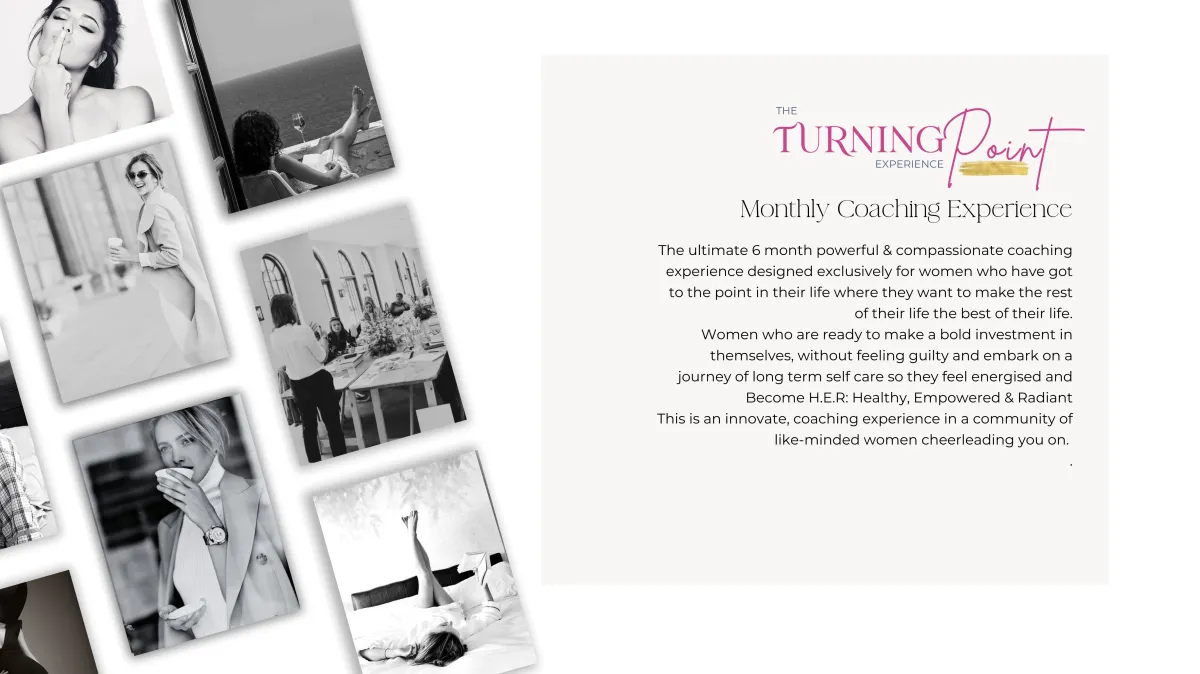
"Suzy is an intelligent woman who thrives on seeing others succeed. Her creativity and passion for others shines through. She has so much to offer women of all ages and her excitement at helping others succeed is contagious. She perfectly balances the role of coach and friend. Xx"
Carla Cortesi, Animal Assisted Therapist

LET'S WORK TOGETHER
Suzy Malhotra is a business coach, mentor and business strategist helping female business owners, specialising in wellness professionals, build profitable, sustainable businesses. Combining more than 30 years of commercial experience with coaching and mentoring, she helps women create businesses that are both successful and fulfilling.
Based in Henley, Oxfordshire.
Helping Women in Business Worldwide
NEWSLETTER SIGN UP
SIgn-up for free monthly insights and learnings about launching, growing and building your business.

