Life Coaching for Smart Women at a Crossroads
About Suzy and her
Mission for you to

Business & Mindset Coach for
Creative Female Entrepreneurs
Helping you grow an incredible business by
growing the amazing women running it.
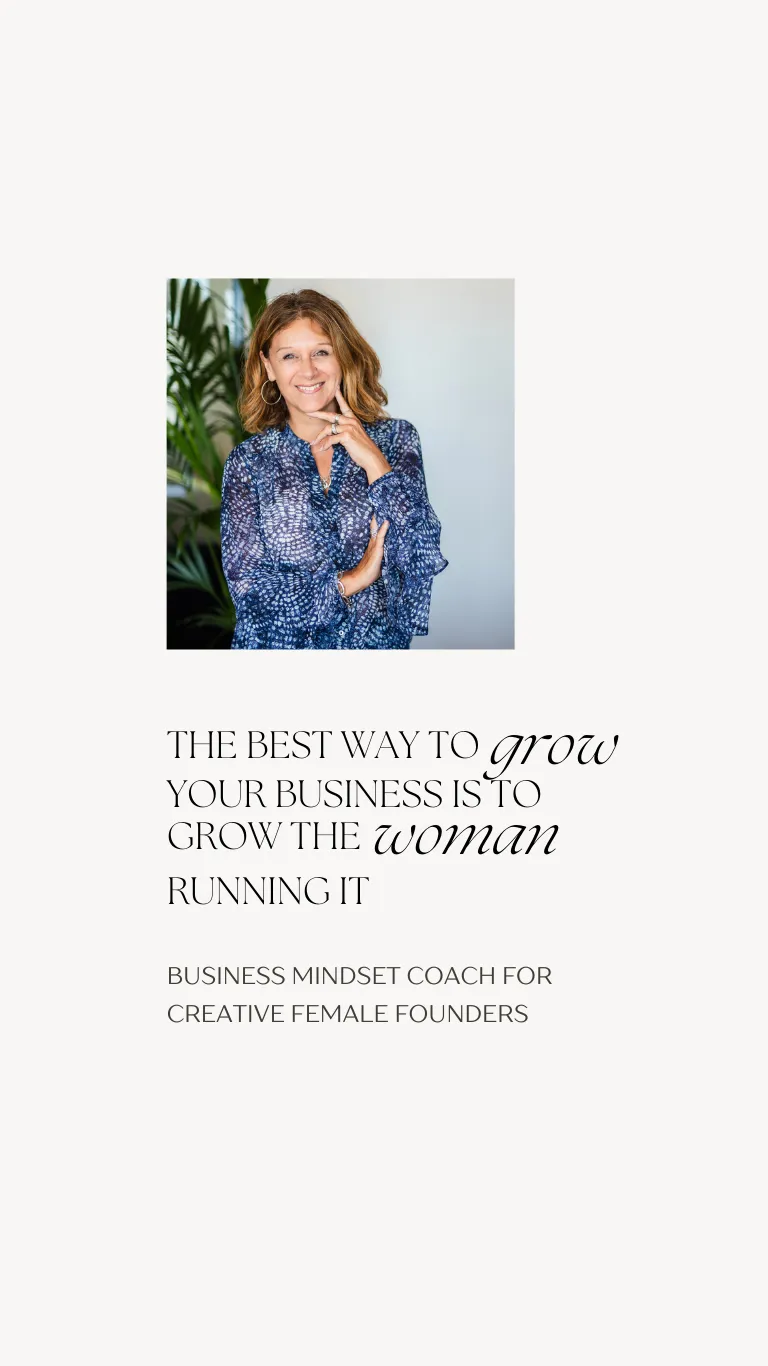
Welcome to Become HER Coaching
WHERE I SPECIALISE IN EMPOWERING CREATIVE
FEMALE BUSINESS OWNERS AND LEADERS
To embrace their individuality as a source of confidence and achieve the heights they dream of, without compromising or sacrificing their health, relationships and private lives.
ARE YOU READY TO BECOME HER? LET'S GET STARTED
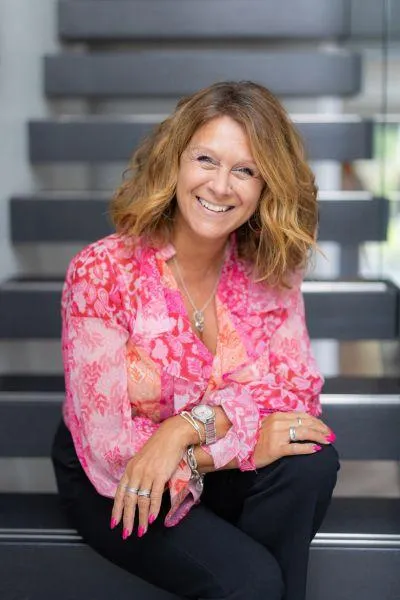

I'm a passionate advocate for women's
empowerment, growth, self care and individuality.
With a blend of personal experiences, coaching strategies and methodologies, and powerful tools, I help women turn their visions into reality.
I find immense joy in sharing the invaluable lessons I've learned throughout my journey leading a successful exhibition design agency for more than 25 years.
My coaching style is a fusion of creativity, strategy, and unwavering support, using a combination of CBT, NLP and EFT modalities and I use a unique psychometric assessment for resilience & wellbeing at work (Wraw).
I believe that within each of us lies the strength to tackle life's challenges and that we don't need to "have it all"; we just deserve to have what we truly desire.
Are you ready to Become HER, an entrepreneur who embodies authenticity, innovation and impact?
BECOME HER
BECOME HER
When you work through my signature programme you embark on a life changing journey of transformation as we get laser focus on your Vision, Mindset, Strategy, Power, and Balance. Together, we tackle common challenges such as confidence, clarity, imposter syndrome, procrastination, decision-making, work/life balance, money mindset and the pursuit of growth and visibility. You will discover the three key invisible barriers to your success and how to break through them.
Become HER is a journey where you collect and collate all your wisdom, experience and knowledge, embrace your unique individuality and let it be the source of your confidence so you are unstoppable in your beliefs and what you can achieve.
When you work through my signature programme you embark on a life changing journey of transformation: Vision, Mindset, Strategy, Power, and Balance. Together, we tackle common challenges such as confidence, clarity, imposter syndrome, procrastination, decision-making, and the pursuit of growth and visibility. You will discover the three key invisible barriers to your success and how to break through them.
Become HER is a journey where you collect and collate all your wisdom, experience and knowledge, embrace your unique individuality and let it be the source of your confidence so you are unstoppable in your beliefs and what you can achieve.
MY MISSION
MY MISSION
To create a tribe—a community where women feel seen, heard, visible, and supported for their uniqueness, passions, and individuality. I'm dedicated to providing a space where women business owners can find a sense of belonging while stepping away from societal expectations and to use my gifts of experience, learning and belief to amplify the self-worth and net-worth of my clients.
To create a tribe, a community where women feel seen, heard, visible, and supported for their uniqueness, passions, and individuality. I'm dedicated to providing a space where women business owners can find a sense of belonging while stepping away from societal expectations and to use my gifts of experience, learning and belief to amplify the self-worth and net-worth of my clients.
BELIEVE | CREATE | BECOME
1:1 Coaching
Become HER Membership
VIP Mindset & Strategy Days
Group Programmes
Workshops
Retreats

The Smarter Way to Think About Your Business
Browse articles on pricing, marketing, business strategy,
AI, productivity, mindset and growing a successful business.
The Smarter Way to Think About Your Business
Browse articles on pricing, marketing, business strategy,
AI, productivity, mindset and growing a successful business.
Practical business articles covering pricing, marketing, AI, sales, strategy and business growth for female business owners.
These articles come from the conversations that happen every week around pricing, clients, delivery models, time, and the role we play inside our own business.
If you are looking for a smarter way to run your business, you'll enoy these.

When an agency founder steps back: what happens to leadership
When an agency founder steps back, what happens to leadership?
The short answer: when a founder steps back from the day-to-day, the titles and the organisation chart change quickly. Where people take their difficult decisions changes much more slowly. For a while, many of those decisions still find their way to the founder, out of habit on both sides, and the new MD carries the accountability without all of the authority. A step-back works when the founder, the MD and the senior team deliberately move those decisions, and that takes several months of attention.
The handover that happens on paper
The announcement is usually straightforward. The founder becomes chair, CEO or a non-executive director, and a new MD takes over the running of the agency, often someone promoted from within who knows the clients and the team well. Roles are agreed, an email goes out and the new structure makes sense to everyone.
Then an awkward client decision lands, and everyone looks in the direction they always have.
What happens in the first few months
The founder is asked for a view on a client they have known for fifteen years and gives it, because it would feel unhelpful not to. The new MD finds that some decisions they are accountable for are still being made, or quietly revisited, elsewhere. The senior team isn't sure who to go to, so they check with both.
Nobody is doing anything wrong. Everyone is following routes that worked well for years. The business has changed its structure, and its habits haven't caught up yet.
Left alone, this can settle into an uncomfortable pattern. The founder hasn't really stepped back, and the MD hasn't really taken over. The senior team learns that the safest thing to do is ask upwards.
What it asks of the founder
I know how hard this part is. For years at 4D, the exhibition and events agency I co-founded and ran for nearly thirty years, I thought being needed was part of being successful. When someone asks for your view, giving it feels like helping.
The question for a founder who has stepped back is what happens to the responsibility after they have helped. In my Above the Line work I call this the difference between supporting and rescuing. Supporting means sharing experience and then handing the decision back: "I'd think about the margin on that, but it's the MD's call now. Have you spoken to them?" Rescuing means answering, and in doing so teaching the business that the old route still works.
Stepping in isn't always wrong. Some moments genuinely need the founder's judgement. What matters is knowing why you are stepping in, and making it a choice rather than a reflex.
What it asks of the new MD
A new MD often has to take calls before they feel fully licensed to. That is easier when the founder and MD have agreed, explicitly, which decisions now sit with the MD, and when the founder backs those decisions publicly, including the ones they would have made differently.
There is a second trap for MDs promoted from within. Their previous job tends to follow them into the new one. If the MD is still the person who solves every client services problem, the work only the MD can do gets squeezed. That means the bottleneck has simply moved from the founder to the MD.
What it asks of the senior team
The senior team has to learn to take decisions to the right person, and to own more of them themselves. That depends on knowing which calls are theirs and trusting that they will be backed. People can't take ownership if they don't know what they own.
Agree the decision map
One of the most practical things a founder and new MD can do is write down where decisions now sit, rather than assuming everyone knows.
1.List the decisions that come up regularly, such as pricing, hiring, key client escalations, new business go or no-go, and spending above an agreed limit.
2.For each one, agree who now owns it, who should be consulted and who simply needs to be told.
3.Share it with the senior team, so they know where to take each decision.
4.Review it after three months against what actually happened, because the gaps between the map and real behaviour show where the work still is.
What good looks like
The MD runs the business, and the senior team owns the calls that belong to them. The founder's involvement is chosen rather than relied upon, and their judgement is used where it adds the most. The founder can take proper time away and the agency keeps moving.
It also gives the founder something they may not have had for years, which is choice. They can stay closely involved, take on a different role, plan for succession or sale, or simply step further back when they're ready. Building a successful business should give you more choices, not fewer.
Frequently asked questions
How long does it take for a founder's step-back to settle? I'd plan for most of a year before decision habits fully shift, with the first three months mattering most. That is when the new routes are either established or quietly abandoned.
Should the founder stay involved after stepping back? It can work very well, as long as everyone is clear about the founder's new role and which decisions are no longer theirs. Problems usually come from an unclear role rather than from the founder being involved at all.
How does The Leadership Line help with a founder stepping back? I work with founders, new MDs and senior teams in creative, events, experiential and exhibition agencies at exactly this point. That might mean coaching the founder or the new MD, working with the leadership team on decision ownership, or developing the next layer of leaders through the Above the Line programme.
If this sounds familiar
If you've recently stepped back, or taken over from a founder, and you'd like to talk through how it's going, I'd be glad to have a conversation. Get in touch.
Further reading on this topic:
Why Can't I Step Away From My Agency?
How Do I Build A Stronger Leadership Team?
Suzy Malhotra is the founder of The Leadership Line, which works with creative, events, experiential and exhibition agencies when responsibility needs to move. She co-founded and ran 4D Design, an exhibition and events agency, for nearly thirty years.

When an agency founder steps back: what happens to leadership
When an agency founder steps back, what happens to leadership?
The short answer: when a founder steps back from the day-to-day, the titles and the organisation chart change quickly. Where people take their difficult decisions changes much more slowly. For a while, many of those decisions still find their way to the founder, out of habit on both sides, and the new MD carries the accountability without all of the authority. A step-back works when the founder, the MD and the senior team deliberately move those decisions, and that takes several months of attention.
The handover that happens on paper
The announcement is usually straightforward. The founder becomes chair, CEO or a non-executive director, and a new MD takes over the running of the agency, often someone promoted from within who knows the clients and the team well. Roles are agreed, an email goes out and the new structure makes sense to everyone.
Then an awkward client decision lands, and everyone looks in the direction they always have.
What happens in the first few months
The founder is asked for a view on a client they have known for fifteen years and gives it, because it would feel unhelpful not to. The new MD finds that some decisions they are accountable for are still being made, or quietly revisited, elsewhere. The senior team isn't sure who to go to, so they check with both.
Nobody is doing anything wrong. Everyone is following routes that worked well for years. The business has changed its structure, and its habits haven't caught up yet.
Left alone, this can settle into an uncomfortable pattern. The founder hasn't really stepped back, and the MD hasn't really taken over. The senior team learns that the safest thing to do is ask upwards.
What it asks of the founder
I know how hard this part is. For years at 4D, the exhibition and events agency I co-founded and ran for nearly thirty years, I thought being needed was part of being successful. When someone asks for your view, giving it feels like helping.
The question for a founder who has stepped back is what happens to the responsibility after they have helped. In my Above the Line work I call this the difference between supporting and rescuing. Supporting means sharing experience and then handing the decision back: "I'd think about the margin on that, but it's the MD's call now. Have you spoken to them?" Rescuing means answering, and in doing so teaching the business that the old route still works.
Stepping in isn't always wrong. Some moments genuinely need the founder's judgement. What matters is knowing why you are stepping in, and making it a choice rather than a reflex.
What it asks of the new MD
A new MD often has to take calls before they feel fully licensed to. That is easier when the founder and MD have agreed, explicitly, which decisions now sit with the MD, and when the founder backs those decisions publicly, including the ones they would have made differently.
There is a second trap for MDs promoted from within. Their previous job tends to follow them into the new one. If the MD is still the person who solves every client services problem, the work only the MD can do gets squeezed. That means the bottleneck has simply moved from the founder to the MD.
What it asks of the senior team
The senior team has to learn to take decisions to the right person, and to own more of them themselves. That depends on knowing which calls are theirs and trusting that they will be backed. People can't take ownership if they don't know what they own.
Agree the decision map
One of the most practical things a founder and new MD can do is write down where decisions now sit, rather than assuming everyone knows.
1.List the decisions that come up regularly, such as pricing, hiring, key client escalations, new business go or no-go, and spending above an agreed limit.
2.For each one, agree who now owns it, who should be consulted and who simply needs to be told.
3.Share it with the senior team, so they know where to take each decision.
4.Review it after three months against what actually happened, because the gaps between the map and real behaviour show where the work still is.
What good looks like
The MD runs the business, and the senior team owns the calls that belong to them. The founder's involvement is chosen rather than relied upon, and their judgement is used where it adds the most. The founder can take proper time away and the agency keeps moving.
It also gives the founder something they may not have had for years, which is choice. They can stay closely involved, take on a different role, plan for succession or sale, or simply step further back when they're ready. Building a successful business should give you more choices, not fewer.
Frequently asked questions
How long does it take for a founder's step-back to settle? I'd plan for most of a year before decision habits fully shift, with the first three months mattering most. That is when the new routes are either established or quietly abandoned.
Should the founder stay involved after stepping back? It can work very well, as long as everyone is clear about the founder's new role and which decisions are no longer theirs. Problems usually come from an unclear role rather than from the founder being involved at all.
How does The Leadership Line help with a founder stepping back? I work with founders, new MDs and senior teams in creative, events, experiential and exhibition agencies at exactly this point. That might mean coaching the founder or the new MD, working with the leadership team on decision ownership, or developing the next layer of leaders through the Above the Line programme.
If this sounds familiar
If you've recently stepped back, or taken over from a founder, and you'd like to talk through how it's going, I'd be glad to have a conversation. Get in touch.
Further reading on this topic:
Why Can't I Step Away From My Agency?
How Do I Build A Stronger Leadership Team?
Suzy Malhotra is the founder of The Leadership Line, which works with creative, events, experiential and exhibition agencies when responsibility needs to move. She co-founded and ran 4D Design, an exhibition and events agency, for nearly thirty years.

"Suzy is an intelligent woman who thrives on seeing others succeed. Her creativity and passion for others shines through. She has so much to offer women of all ages and her excitement at helping others succeed is contagious. She perfectly balances the role of coach and friend. Xx"
Carla Cortesi, Animal Assisted Therapist

LET'S WORK TOGETHER
Suzy Malhotra is a business coach, mentor and business strategist helping female business owners, specialising in wellness professionals, build profitable, sustainable businesses. Combining more than 30 years of commercial experience with coaching and mentoring, she helps women create businesses that are both successful and fulfilling.
Based in Henley, Oxfordshire.
Helping Women in Business Worldwide
NEWSLETTER SIGN UP
SIgn-up for free monthly insights and learnings about launching, growing and building your business.

