Life Coaching for Smart Women at a Crossroads
About Suzy and her
Mission for you to

Business & Mindset Coach for
Creative Female Entrepreneurs
Helping you grow an incredible business by
growing the amazing women running it.
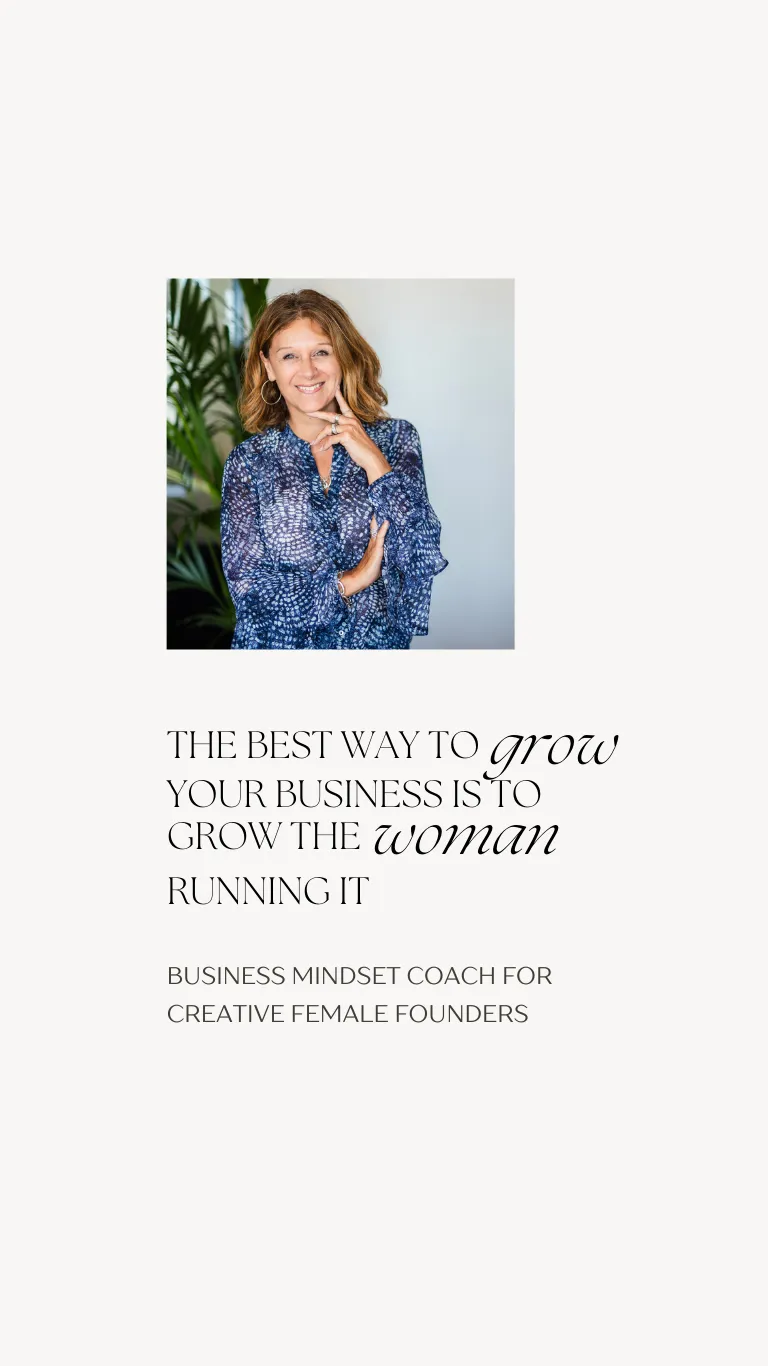
Welcome to Become HER Coaching
WHERE I SPECIALISE IN EMPOWERING CREATIVE
FEMALE BUSINESS OWNERS AND LEADERS
To embrace their individuality as a source of confidence and achieve the heights they dream of, without compromising or sacrificing their health, relationships and private lives.
ARE YOU READY TO BECOME HER? LET'S GET STARTED


I'm a passionate advocate for women's
empowerment, growth, self care and individuality.
With a blend of personal experiences, coaching strategies and methodologies, and powerful tools, I help women turn their visions into reality.
I find immense joy in sharing the invaluable lessons I've learned throughout my journey leading a successful exhibition design agency for more than 25 years.
My coaching style is a fusion of creativity, strategy, and unwavering support, using a combination of CBT, NLP and EFT modalities and I use a unique psychometric assessment for resilience & wellbeing at work (Wraw).
I believe that within each of us lies the strength to tackle life's challenges and that we don't need to "have it all"; we just deserve to have what we truly desire.
Are you ready to Become HER, an entrepreneur who embodies authenticity, innovation and impact?
BECOME HER
BECOME HER
When you work through my signature programme you embark on a life changing journey of transformation as we get laser focus on your Vision, Mindset, Strategy, Power, and Balance. Together, we tackle common challenges such as confidence, clarity, imposter syndrome, procrastination, decision-making, work/life balance, money mindset and the pursuit of growth and visibility. You will discover the three key invisible barriers to your success and how to break through them.
Become HER is a journey where you collect and collate all your wisdom, experience and knowledge, embrace your unique individuality and let it be the source of your confidence so you are unstoppable in your beliefs and what you can achieve.
When you work through my signature programme you embark on a life changing journey of transformation: Vision, Mindset, Strategy, Power, and Balance. Together, we tackle common challenges such as confidence, clarity, imposter syndrome, procrastination, decision-making, and the pursuit of growth and visibility. You will discover the three key invisible barriers to your success and how to break through them.
Become HER is a journey where you collect and collate all your wisdom, experience and knowledge, embrace your unique individuality and let it be the source of your confidence so you are unstoppable in your beliefs and what you can achieve.
MY MISSION
MY MISSION
To create a tribe—a community where women feel seen, heard, visible, and supported for their uniqueness, passions, and individuality. I'm dedicated to providing a space where women business owners can find a sense of belonging while stepping away from societal expectations and to use my gifts of experience, learning and belief to amplify the self-worth and net-worth of my clients.
To create a tribe, a community where women feel seen, heard, visible, and supported for their uniqueness, passions, and individuality. I'm dedicated to providing a space where women business owners can find a sense of belonging while stepping away from societal expectations and to use my gifts of experience, learning and belief to amplify the self-worth and net-worth of my clients.
BELIEVE | CREATE | BECOME
1:1 Coaching
Become HER Membership
VIP Mindset & Strategy Days
Group Programmes
Workshops
Retreats

The Smarter Way to Think About Your Business
Browse articles on pricing, marketing, business strategy,
AI, productivity, mindset and growing a successful business.
The Smarter Way to Think About Your Business
Browse articles on pricing, marketing, business strategy,
AI, productivity, mindset and growing a successful business.
Practical business articles covering pricing, marketing, AI, sales, strategy and business growth for female business owners.
These articles come from the conversations that happen every week around pricing, clients, delivery models, time, and the role we play inside our own business.
If you are looking for a smarter way to run your business, you'll enoy these.
Practical business articles covering pricing, marketing, AI, sales, strategy and business growth for female business owners.
These articles come from the conversations that happen every week around pricing, clients, delivery models, time, and the role we play inside our own business.
If you are looking for a smarter way to run your business, you'll enoy these.

Leadership Integration After an Acquisition | Aligning Leadership Teams During Change
Leadership Integration After an Acquisition Starts with People, Not Process
Integration has become one of the most common words I hear in conversations with agency founders, managing directors and leadership teams following an acquisition.
Integration plans.
Integration meetings.
Integration workstreams.
The assumption is usually the same: bring together two organisations, align the systems, redefine reporting lines and communicate the new structure.
All of that matters.
But I think many organisations start in the wrong place.
Because organisations don't integrate.
People do.
Long before systems settle and new processes become routine, leaders are making hundreds of decisions every day about how the new organisation will actually feel to work in. They're setting expectations, creating certainty, handling difficult conversations and helping their teams make sense of what has changed.
If those leaders aren't aligned, no integration plan will deliver what it promises.
Why leadership integration matters after an acquisition
Acquisitions create opportunity, but they also create uncertainty.
Founders who once made every decision now have to lead through influence rather than ownership.
Senior leaders inherit larger teams, new reporting lines and different expectations.
People who were exceptional in one organisation suddenly find themselves navigating a completely different culture.
These aren't operational challenges.
They're leadership challenges.
The businesses that navigate acquisitions well recognise that integration isn't simply about combining organisations. It's about helping leaders think, communicate and make decisions in a consistent way during a period of significant change.
The leadership gap nobody talks about
One of the patterns I've observed throughout my career is that organisations often invest heavily in commercial due diligence, operational planning and systems integration.
Much less attention is given to the people responsible for leading everyone else through the transition.
Yet these are the individuals who determine whether confidence grows or uncertainty spreads.
Leadership doesn't become easier because someone receives a new title.
If anything, it becomes more complex.
Many talented people are suddenly expected to lead at a different level without ever being shown how.
What aligned leadership looks like
Aligned leadership isn't about everyone agreeing all the time.
It's about creating consistency in the way leaders approach the business.
That means:
making decisions using shared principles
handling difficult conversations consistently
balancing commercial priorities with people leadership
taking ownership rather than escalating every issue
building trust across teams that may previously have worked very differently
When leaders operate from the same foundations, integration becomes far more natural.
Preparing the leaders your business depends on next
One of the questions I ask founders is:
Who are the leaders your business will depend on next?
The answer usually comes quickly.
The follow-up question takes longer.
What are you doing today to prepare them for that responsibility?
Waiting until someone reaches a senior position before investing in their leadership is often too late.
The strongest organisations develop leaders before the business has no choice but to depend on them.
That principle becomes even more important during acquisitions, succession planning and organisational change.
Leadership before integration
Successful integration isn't simply about combining two businesses.
It's about creating a leadership team capable of leading one business together.
That's where sustainable performance begins.
Frequently Asked Questions
What is leadership integration?
Leadership integration is the process of aligning senior leaders after an acquisition, merger or organisational change so they make decisions consistently, communicate clearly and lead people through transition effectively.
Why do acquisitions fail because of leadership?
Many acquisitions achieve operational integration but underestimate the human side of change. If leaders are not aligned, uncertainty spreads, decisions become inconsistent and culture begins to fragment.
How do you prepare leaders after an acquisition?
By investing in leadership development early, creating shared expectations, strengthening commercial judgement and helping leaders build the confidence to lead through influence rather than relying solely on technical expertise.
Leading Through Change?
Whether you're preparing for an acquisition, integrating two leadership teams or navigating a period of significant organisational change, the quality of leadership will determine how successfully your business adapts.
If you'd like to explore how your leadership team can build greater alignment, resilience and commercial judgement during periods of change, I'd be delighted to have a conversation.
Get in touch to discuss leadership through change [email protected]
Continue Reading

Leadership Integration After an Acquisition | Aligning Leadership Teams During Change
Leadership Integration After an Acquisition Starts with People, Not Process
Integration has become one of the most common words I hear in conversations with agency founders, managing directors and leadership teams following an acquisition.
Integration plans.
Integration meetings.
Integration workstreams.
The assumption is usually the same: bring together two organisations, align the systems, redefine reporting lines and communicate the new structure.
All of that matters.
But I think many organisations start in the wrong place.
Because organisations don't integrate.
People do.
Long before systems settle and new processes become routine, leaders are making hundreds of decisions every day about how the new organisation will actually feel to work in. They're setting expectations, creating certainty, handling difficult conversations and helping their teams make sense of what has changed.
If those leaders aren't aligned, no integration plan will deliver what it promises.
Why leadership integration matters after an acquisition
Acquisitions create opportunity, but they also create uncertainty.
Founders who once made every decision now have to lead through influence rather than ownership.
Senior leaders inherit larger teams, new reporting lines and different expectations.
People who were exceptional in one organisation suddenly find themselves navigating a completely different culture.
These aren't operational challenges.
They're leadership challenges.
The businesses that navigate acquisitions well recognise that integration isn't simply about combining organisations. It's about helping leaders think, communicate and make decisions in a consistent way during a period of significant change.
The leadership gap nobody talks about
One of the patterns I've observed throughout my career is that organisations often invest heavily in commercial due diligence, operational planning and systems integration.
Much less attention is given to the people responsible for leading everyone else through the transition.
Yet these are the individuals who determine whether confidence grows or uncertainty spreads.
Leadership doesn't become easier because someone receives a new title.
If anything, it becomes more complex.
Many talented people are suddenly expected to lead at a different level without ever being shown how.
What aligned leadership looks like
Aligned leadership isn't about everyone agreeing all the time.
It's about creating consistency in the way leaders approach the business.
That means:
making decisions using shared principles
handling difficult conversations consistently
balancing commercial priorities with people leadership
taking ownership rather than escalating every issue
building trust across teams that may previously have worked very differently
When leaders operate from the same foundations, integration becomes far more natural.
Preparing the leaders your business depends on next
One of the questions I ask founders is:
Who are the leaders your business will depend on next?
The answer usually comes quickly.
The follow-up question takes longer.
What are you doing today to prepare them for that responsibility?
Waiting until someone reaches a senior position before investing in their leadership is often too late.
The strongest organisations develop leaders before the business has no choice but to depend on them.
That principle becomes even more important during acquisitions, succession planning and organisational change.
Leadership before integration
Successful integration isn't simply about combining two businesses.
It's about creating a leadership team capable of leading one business together.
That's where sustainable performance begins.
Frequently Asked Questions
What is leadership integration?
Leadership integration is the process of aligning senior leaders after an acquisition, merger or organisational change so they make decisions consistently, communicate clearly and lead people through transition effectively.
Why do acquisitions fail because of leadership?
Many acquisitions achieve operational integration but underestimate the human side of change. If leaders are not aligned, uncertainty spreads, decisions become inconsistent and culture begins to fragment.
How do you prepare leaders after an acquisition?
By investing in leadership development early, creating shared expectations, strengthening commercial judgement and helping leaders build the confidence to lead through influence rather than relying solely on technical expertise.
Leading Through Change?
Whether you're preparing for an acquisition, integrating two leadership teams or navigating a period of significant organisational change, the quality of leadership will determine how successfully your business adapts.
If you'd like to explore how your leadership team can build greater alignment, resilience and commercial judgement during periods of change, I'd be delighted to have a conversation.
Get in touch to discuss leadership through change [email protected]
Continue Reading
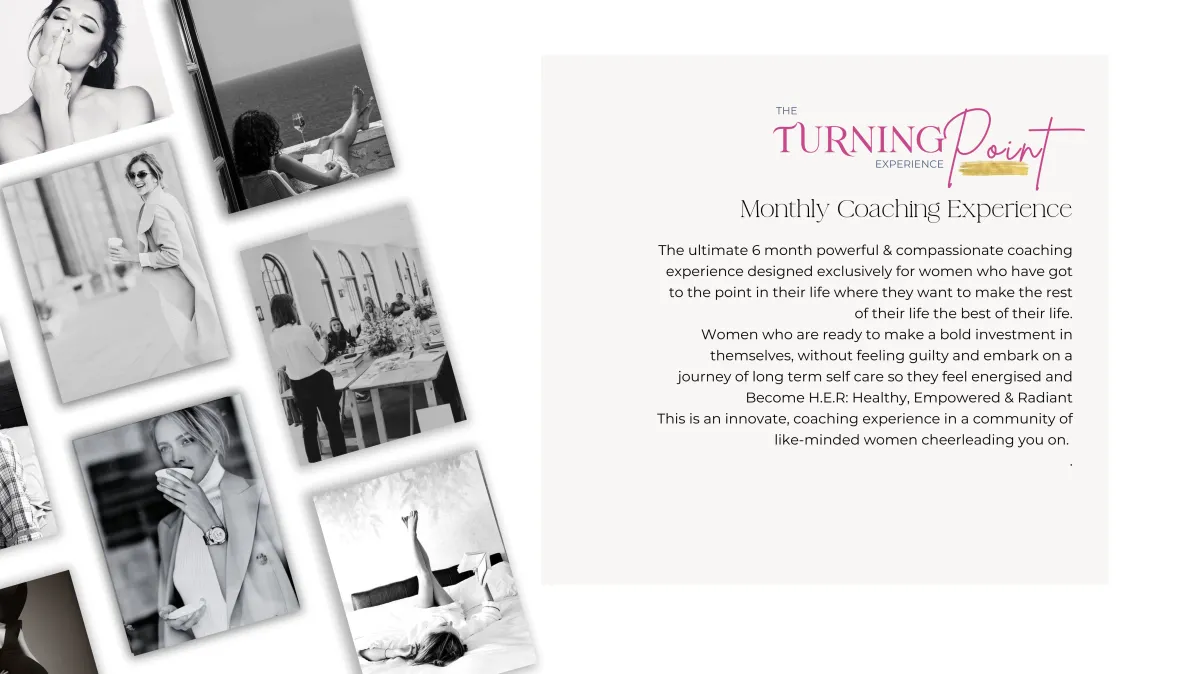
"Suzy is an intelligent woman who thrives on seeing others succeed. Her creativity and passion for others shines through. She has so much to offer women of all ages and her excitement at helping others succeed is contagious. She perfectly balances the role of coach and friend. Xx"
Carla Cortesi, Animal Assisted Therapist

LET'S WORK TOGETHER
Suzy Malhotra is a business coach, mentor and business strategist helping female business owners, specialising in wellness professionals, build profitable, sustainable businesses. Combining more than 30 years of commercial experience with coaching and mentoring, she helps women create businesses that are both successful and fulfilling.
Based in Henley, Oxfordshire.
Helping Women in Business Worldwide
NEWSLETTER SIGN UP
SIgn-up for free monthly insights and learnings about launching, growing and building your business.

